


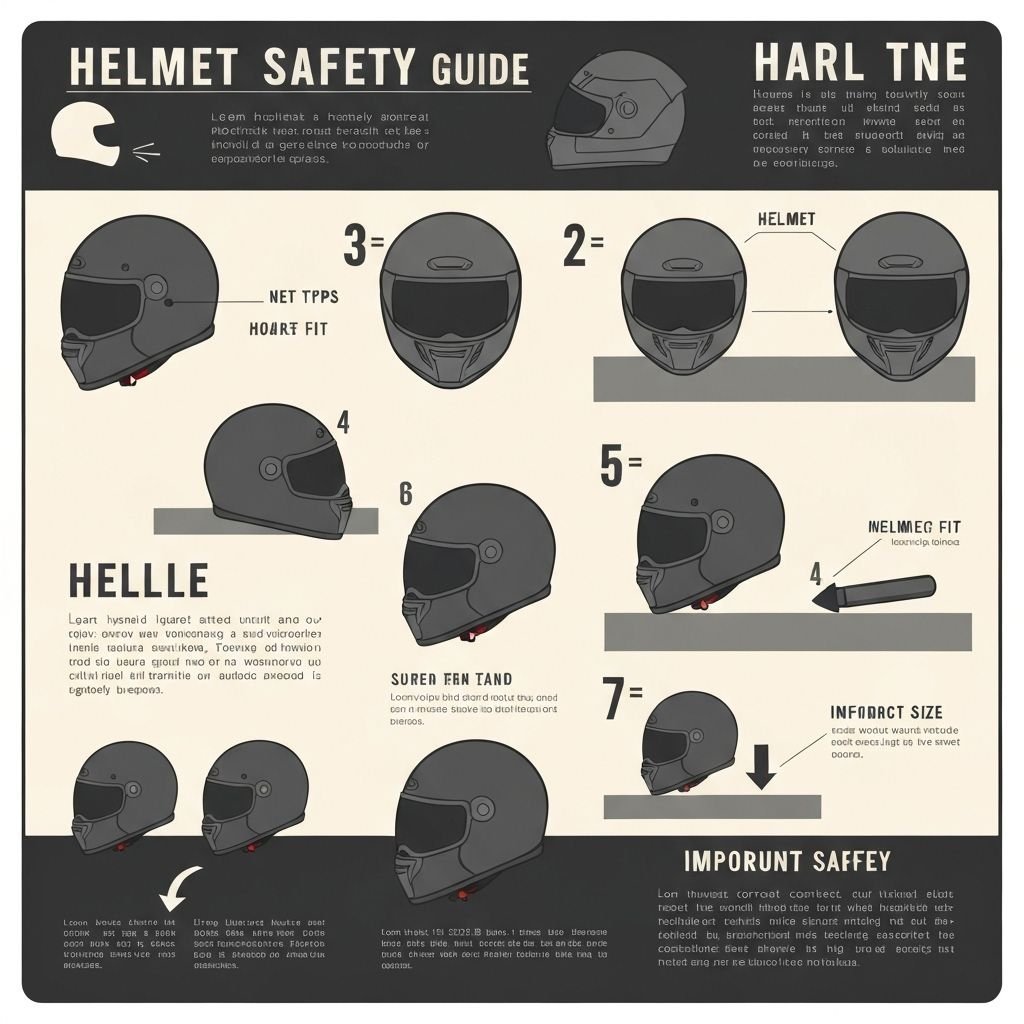
Helmet Safety Standards Explained: DOT, ECE, and Snell Certifications

Your helmet is your most critical piece of safety equipment, but understanding safety certifications can be confusing. This comprehensive guide breaks down the major helmet safety standards and helps you make an informed decision for your protection.
Understanding Safety Certifications
DOT (Department of Transportation) – USA Standard
The DOT standard is mandatory for all helmets sold in the United States:
- Testing Focus: Impact absorption, penetration resistance, retention system strength
- Impact Speed: Tests at 13.4 mph (6 m/s)
- Coverage: Minimum coverage requirements for protection area
- Self-Certification: Manufacturers self-certify compliance
- Pros: Widely available, affordable options
- Cons: Less rigorous testing than other standards
ECE 22.06 (Economic Commission for Europe) – European Standard
The ECE standard is considered more comprehensive than DOT:
- Testing Focus: Multiple impact points, rotational forces, field of vision
- Impact Speed: Tests at 16.8 mph (7.5 m/s)
- Third-Party Testing: Independent laboratory certification required
- Regular Audits: Ongoing quality control testing
- Pros: More rigorous testing, better quality control
- Cons: Higher cost, limited availability in some regions
Snell Memorial Foundation – Premium Standard
Snell represents the highest standard in helmet safety:
- Testing Focus: Extreme impact scenarios, multiple hit testing
- Impact Speed: Tests up to 25.8 mph (11.5 m/s)
- Rigorous Standards: Exceeds government requirements
- Voluntary Certification: Manufacturers choose to meet this standard
- Pros: Highest level of protection available
- Cons: Most expensive, heavier helmets
Helmet Construction and Materials
Shell Materials
The outer shell distributes impact forces:
- Polycarbonate: Lightweight, affordable, good impact resistance
- Fiberglass Composite: Strong, lightweight, premium option
- Carbon Fiber: Lightest, strongest, most expensive
- ABS Plastic: Budget option, heavier but adequate protection
Impact Absorption Liner
The EPS (Expanded Polystyrene) liner absorbs impact energy:
- Single-density EPS: Standard protection
- Multi-density EPS: Better energy management
- MIPS (Multi-directional Impact Protection): Reduces rotational forces
Helmet Types and Protection Levels
Full-Face Helmets
Maximum protection for street riding:
- Complete head and face protection
- Best aerodynamics and noise reduction
- Integrated chin bar protection
- Recommended for highway and sport riding
Modular/Flip-Up Helmets
Convenience with good protection:
- Flip-up chin bar for easy communication
- Good for touring and commuting
- Slightly heavier than full-face
- Ensure chin bar locks securely
Open-Face Helmets
Classic style with limitations:
- Good for low-speed, casual riding
- Better visibility and airflow
- No face protection
- Consider with face shield or goggles
Proper Helmet Fit and Maintenance
Achieving the Perfect Fit
A properly fitted helmet is crucial for protection:
- Snug but not painful pressure
- No movement when shaking head
- Cheek pads should touch cheeks firmly
- Try on for at least 15 minutes
Helmet Maintenance
Proper care extends helmet life and maintains protection:
- Clean with mild soap and water
- Replace every 5 years or after any impact
- Store away from heat and UV light
- Inspect regularly for damage
Making Your Decision
Certification Recommendations
Choose based on your riding style and budget:
- Casual/Commuter: DOT minimum, ECE preferred
- Sport/Track: Snell certification recommended
- Touring: ECE for best balance of protection and comfort
- Budget Conscious: DOT with reputable manufacturer
Conclusion
Understanding helmet certifications empowers you to make an informed safety decision. While higher certifications generally mean better protection, any certified helmet is infinitely better than no helmet. Choose the best helmet you can afford that fits properly and meets your riding needs.
Explore Saliex’s collection of certified helmets from trusted manufacturers. Our team can help you find the perfect balance of safety, comfort, and style for your riding adventures.