


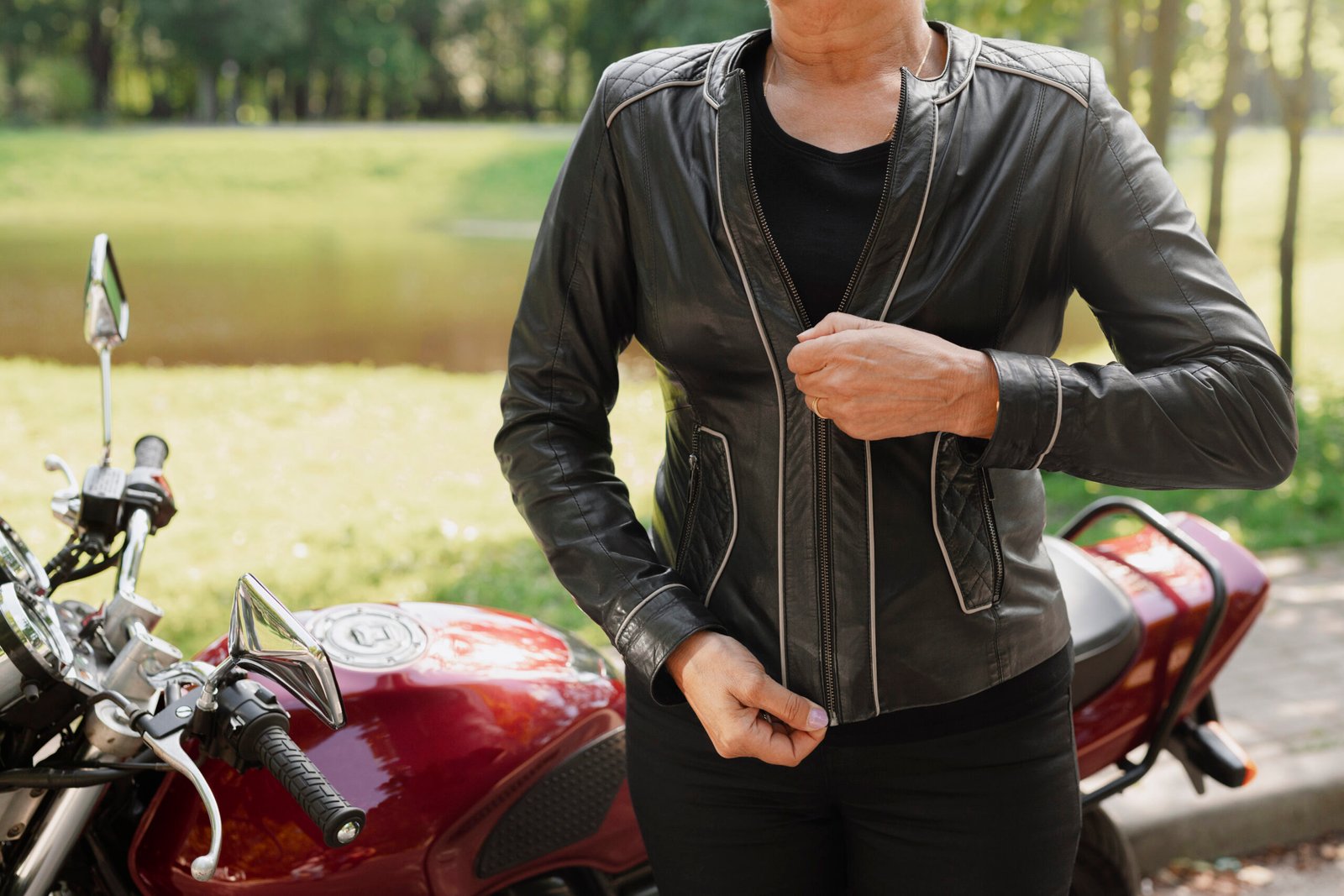
Motorcycle Jacket Materials Guide: Leather vs Textile vs Mesh

Choosing the right motorcycle jacket material is crucial for protection, comfort, and durability. Each material offers unique advantages and trade-offs. This comprehensive guide examines leather, textile, and mesh options to help you make an informed decision.
Leather: The Classic Choice
Types of Leather
Not all leather is created equal:
- Full-Grain Leather: Highest quality, most durable, develops character over time
- Top-Grain Leather: Good quality, more affordable than full-grain
- Split Leather: Budget option, less durable
- Cowhide: Most common, excellent abrasion resistance
- Buffalo Hide: Thicker, more durable, heavier
- Kangaroo Leather: Lightweight, strong, premium option
Leather Advantages
Why leather remains the gold standard:
- Superior Abrasion Resistance: Excellent slide protection
- Durability: Can last decades with proper care
- Classic Style: Timeless appearance
- Natural Material: Breathes and conforms to body
- Tear Resistance: Difficult to puncture or tear
- Wind Protection: Excellent windproofing
Leather Disadvantages
Considerations for leather jackets:
- Weather Sensitivity: Can be damaged by water
- Maintenance Requirements: Needs regular conditioning
- Weight: Heavier than synthetic alternatives
- Cost: Quality leather is expensive
- Break-in Period: Can be stiff initially
- Limited Ventilation: Can be hot in warm weather
Textile: The Versatile Option
Textile Materials
Modern synthetic materials offer impressive performance:
- Cordura: Nylon-based, excellent abrasion resistance
- Kevlar: Aramid fiber, superior strength-to-weight ratio
- Ballistic Nylon: Military-grade durability
- Polyester: Affordable, good basic protection
- Ripstop Fabrics: Prevent tear propagation
Textile Advantages
Why textile jackets are increasingly popular:
- Weather Versatility: Many are waterproof/breathable
- Ventilation Options: Zip vents for temperature control
- Lighter Weight: More comfortable for long rides
- Easy Care: Machine washable options available
- Feature Integration: Pockets, reflective elements, armor
- Cost-Effective: Generally less expensive than leather
- Color Options: Wide variety of colors and patterns
Textile Disadvantages
Limitations to consider:
- Abrasion Resistance: Generally lower than quality leather
- Durability: May not last as long as leather
- Appearance: Can look less premium than leather
- UV Degradation: Some materials fade in sunlight
- Noise: Can be noisier in wind
Mesh: The Summer Solution
Mesh Construction
Mesh jackets prioritize airflow:
- Full Mesh: Maximum ventilation, minimal protection
- Hybrid Mesh: Mesh panels with solid protection areas
- Armored Mesh: Mesh with integrated armor panels
- Textile-Mesh Combo: Removable mesh liners
Mesh Advantages
Perfect for hot weather riding:
- Maximum Airflow: Excellent cooling in hot weather
- Lightweight: Minimal weight burden
- Quick Drying: Doesn’t retain moisture
- Affordable: Generally the least expensive option
- Comfort: Less restrictive than solid materials
Mesh Disadvantages
Significant limitations:
- Limited Protection: Minimal abrasion resistance
- Weather Vulnerability: No protection from rain or cold
- Durability Concerns: Mesh can snag and tear
- Limited Use: Only suitable for warm, dry conditions
- Debris Entry: Allows insects and debris through
Hybrid and Multi-Layer Systems
3-in-1 Systems
Modern jackets offer versatility:
- Outer Shell: Weather protection layer
- Thermal Liner: Removable insulation
- Waterproof Liner: Removable rain protection
- Ventilation Panels: Zippered airflow control
Laminated Systems
Advanced construction techniques:
- Waterproof membranes bonded to outer fabric
- Reduced bulk compared to separate liners
- Better durability and performance
- Higher cost but superior function
Protection Standards and Certifications
CE Certification
European standards for protective clothing:
- EN 17092: New standard for motorcycle clothing
- Class A: Highest protection level
- Class AA: Maximum protection for racing
- Class B: Good protection for street riding
- Class C: Basic protection level
Armor Integration
Impact protection considerations:
- CE Level 1: Basic impact protection
- CE Level 2: Higher impact protection
- Back Protector: Spine protection options
- Armor Placement: Shoulders, elbows, back coverage
Choosing the Right Material
Consider Your Riding Style
Match material to your needs:
- Sport/Track: Leather or high-end textile with armor
- Touring: Textile with weather protection
- Commuting: Textile with versatility features
- Casual/Cruising: Leather for style, textile for practicality
- Hot Climate: Mesh or ventilated textile
Climate Considerations
Weather patterns affect material choice:
- Year-Round Riding: 3-in-1 textile systems
- Hot, Dry Climates: Mesh or perforated leather
- Cold, Wet Climates: Waterproof textile
- Variable Conditions: Hybrid systems with options
Care and Maintenance
Leather Care
Proper maintenance extends leather life:
- Regular conditioning with quality leather products
- Avoid water exposure when possible
- Store in cool, dry conditions
- Professional cleaning for heavy soiling
Textile Care
Textile maintenance is generally easier:
- Follow manufacturer washing instructions
- Use appropriate detergents (avoid fabric softeners)
- Re-treat waterproof coatings as needed
- Check and replace armor as required
Conclusion
The best motorcycle jacket material depends on your specific needs, riding conditions, and personal preferences. Leather offers superior protection and classic style, textile provides versatility and weather protection, while mesh excels in hot weather comfort. Consider your primary riding scenarios and choose accordingly.
Saliex offers premium jackets in all materials, from traditional leather to cutting-edge textile systems. Our experts can help you find the perfect balance of protection, comfort, and style for your riding adventures.